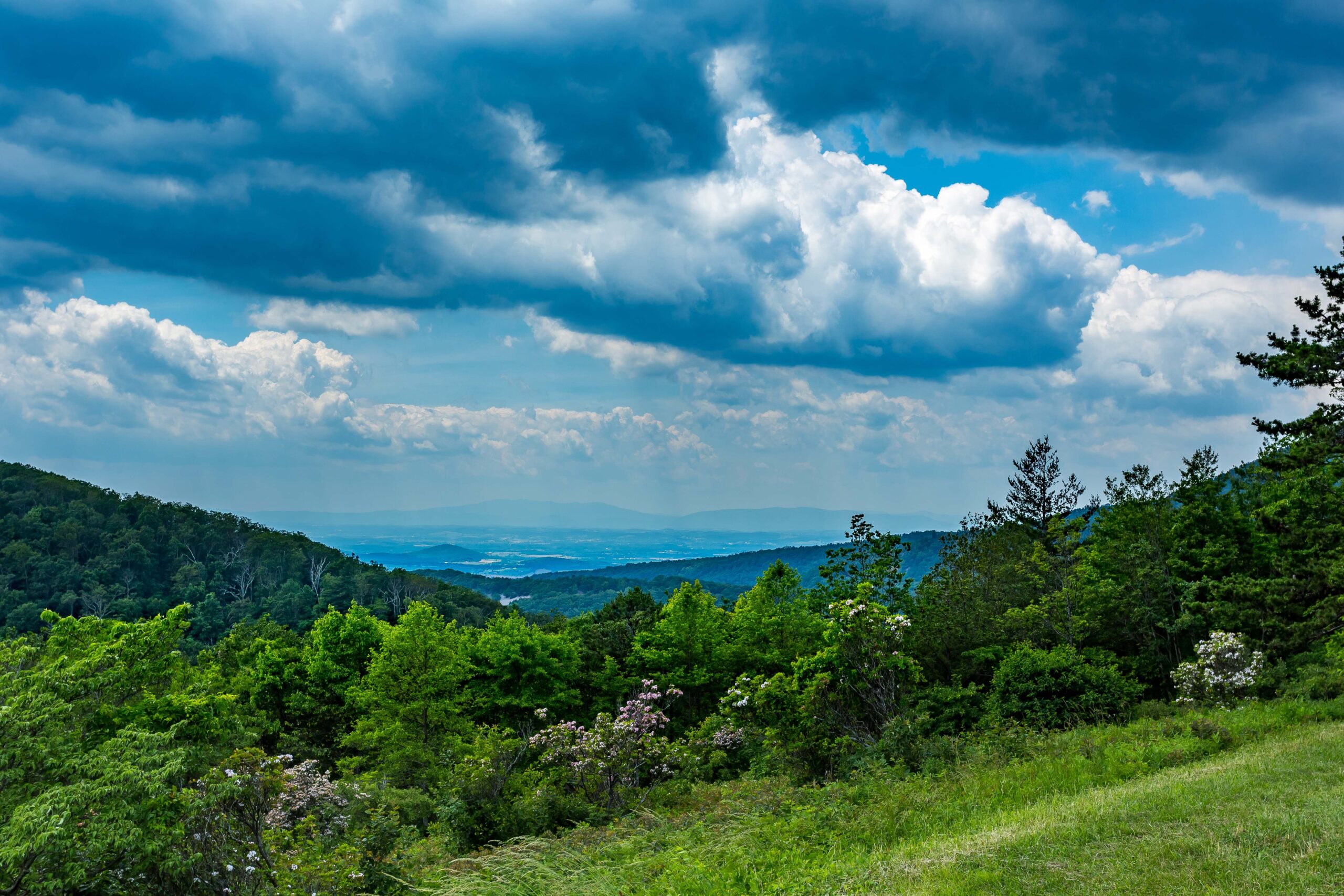
Not every protected place keeps old history and wild forests together in one landscape. Allamuchy Mountain State Park gives visitors both natural beauty and historical remains in northwestern New Jersey. The park covers large woodland areas, preserved fields, rivers, and former estate lands. People come here for hiking, observing wildlife, learning local history, and enjoying quiet outdoor places during every season of the year.
Allamuchy Mountain State Park Location and Natural Environment
Allamuchy Mountain State Park is located inside Allamuchy Township and Byram Township in Warren County and Sussex County of New Jersey. The protected area belongs to the Allamuchy Mountain region and is managed by the New Jersey Division of Parks and Forestry. Because of its size and landscape diversity, the park is one of the interesting public recreation areas in this part of the state.
The protected land covers about 2,440 acres, equal to almost 9.9 square kilometers. Mixed oak forests, hardwood trees, open grass fields, wetlands, rocky slopes, and river valleys create different habitats. Many plants grow here during different stages of forest succession, making the landscape change slowly through many years.
The Musconetcong River forms an important natural feature of the park. The river supports fish, birds, amphibians, insects, and many other living species. Moist ground near the river also allows many native plants to grow successfully.
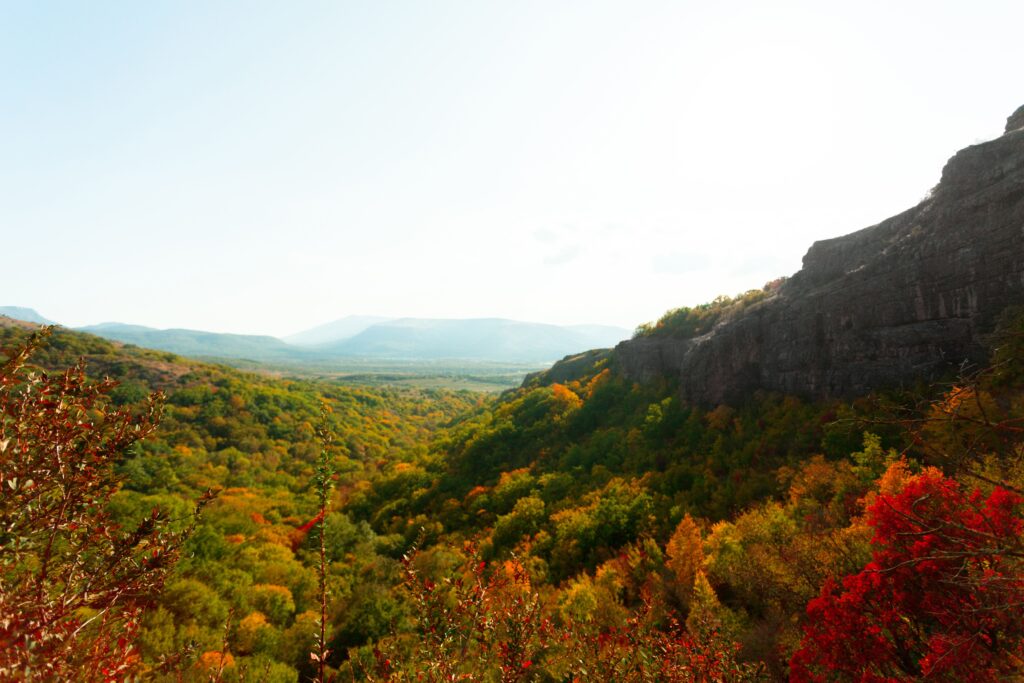
The park belongs to the Northeastern coastal forests ecoregion. This ecological region stretches across several northeastern states and supports many native tree species. Oak, maple, beech, birch, hickory, and ash trees are common inside the woodland. During autumn months, colorful leaves attract many visitors and photographers.
Weather changes strongly during the year. Spring brings wildflowers and fresh green leaves. Summer creates full forest shade. Autumn is famous for colorful foliage. Winter covers many trails with snow and gives another view of the mountains and forests.
Forest Landscape and Wildlife
Many animals live inside the forests because different habitats exist close together. White tailed deer are often seen crossing open fields. Black bears sometimes move through remote woodland areas, while foxes, raccoons, squirrels, rabbits, and wild turkeys also live inside the park.
Bird watchers visit during different seasons because many species use the forests for nesting or migration. Woodpeckers, hawks, owls, songbirds, and water birds may be observed depending on weather and season.
Several natural features make wildlife successful here
- Mixed hardwood and oak forests provide food and shelter.
- Rivers and wetlands support fish, amphibians, and insects.
- Open fields create habitat for many birds and small mammals.
- Rocky hills offer safe places for different animal species.
- Protected land reduces heavy urban disturbance.
The combination of forests, water, and open spaces creates balanced ecosystems that continue changing naturally every year.
History of Allamuchy Mountain State Park
Long before modern visitors arrived, Native American communities used this region for hunting, travel, and seasonal activities. The surrounding valleys provided water, plants, animals, and natural transportation routes. Archaeological and historical information connects the wider area with Lenape communities that lived across present day New Jersey.
European settlement gradually changed the landscape during the eighteenth century. Farming, timber harvesting, and transportation routes slowly replaced parts of the original forest. Private estates also became important landowners inside the region.
One well known property became the Rutherfurd Stuyvesant Estate. Built during the eighteenth century, the estate included a large mansion together with many supporting buildings. Agricultural work and daily family life shaped this property for many generations.
Years later the estate entered a period of decline. By the middle of the twentieth century, the main mansion had already been destroyed by fire. Remaining buildings slowly deteriorated because maintenance became difficult and expensive.
During the 1960s, the State purchased much of the property while planning Interstate 80. Construction of the eight lane highway divided sections of the old estate into separate areas. Although transportation improved across northern New Jersey, the historic landscape changed forever.
The remaining mountain lands later became part of the state park during the 1970s. Public ownership protected forests from further development and allowed recreation, conservation, and environmental education to continue for future generations.
Rutherfurd Stuyvesant Estate Ruins
Today only ruins remain from the once large estate. Stone foundations, damaged walls, and scattered structures remind visitors about earlier centuries. Local residents often call the location Profanity House because many abandoned buildings became covered with large graffiti over several decades.
Unfortunately, vandalism and fires caused additional destruction. Some buildings suffered arson damage, making preservation even more difficult. Even with these problems, historians continue studying the site because it helps explain how wealthy rural estates once looked in northern New Jersey.
The ruins also demonstrate how landscapes change through time. A place built for private living later became abandoned, divided by highway construction, and finally protected inside public parkland. Visitors interested in regional history often combine nature walks with observation of these remaining historical features.
The story of the estate reflects wider changes across New Jersey. Agriculture, transportation, conservation, and recreation all influenced the land during different historical periods. Because of this long development, the park today represents both cultural history and natural preservation rather than only outdoor recreation.